
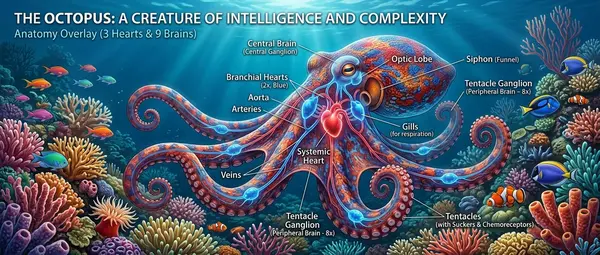
Octopus: 3 Hearts, 9 Brains and Blue Blood
Octopuses evolved three hearts, nine brains, and copper-based blue blood to become the ocean
Read moreOctopuses evolved three hearts, nine brains, and copper-based blue blood to become the ocean
Read more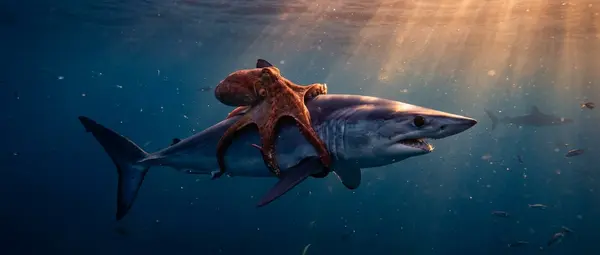
December 2023: University of Auckland researchers capture the impossible—an octopus riding a 500-pound mako shark in New Zealand
Read more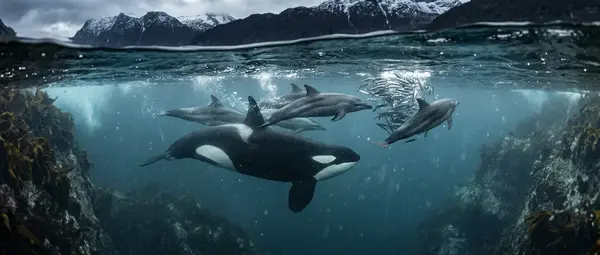
Killer whales develop sophisticated hunting methods — flipping great whites to induce paralysis, extracting livers in seconds, and now hunting solo.
Read more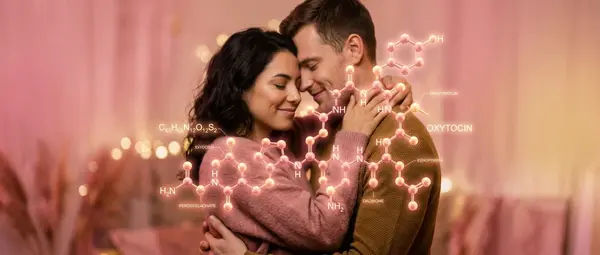
How 9 amino acids control love, trust, and bonding. From mother-infant attachment to romantic love — the science behind oxytocin
Read more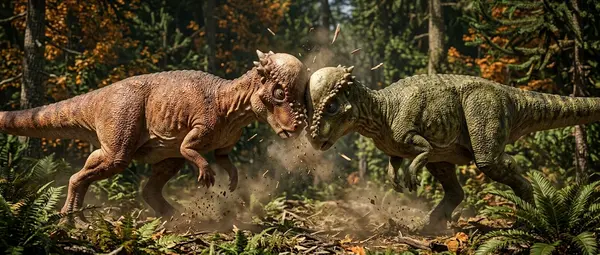
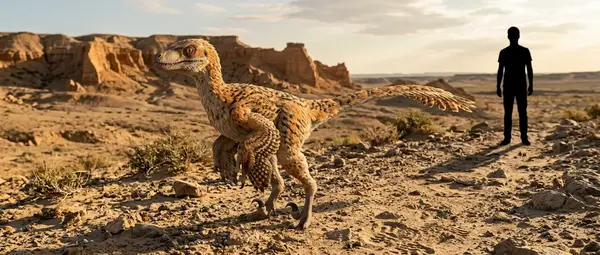
Two 10-inch thick skull domes slam into each other 69 million years ago. Or did they? The scientific debate over Pachycephalosaurus continues.
Read more
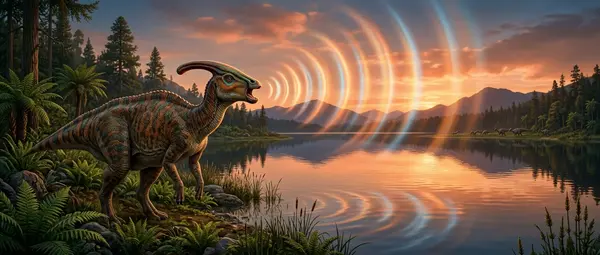
How Parasaurolophus used its hollow crest as a natural trumpet 76 million years ago. Evolution
Read more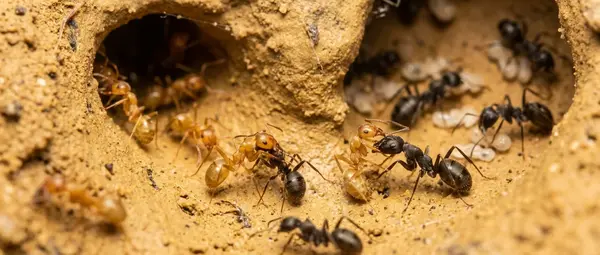
Temnothorax kinomurai is the only known ant species with no workers or males — just queens that clone themselves and invade foreign colonies to survive.
Read more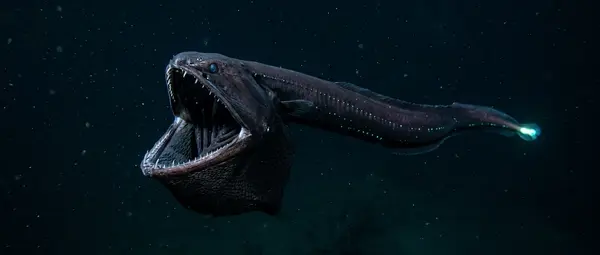
Meet the pelican eel, a bizarre deep-sea fish that
Read more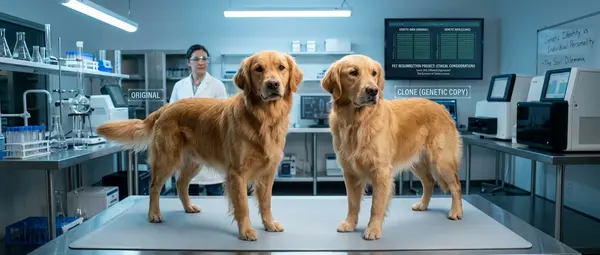
From Dolly to the first cloned primates — why animal cloning fails 90% of the time and how scientists are trying to master genetic copying today.
Read more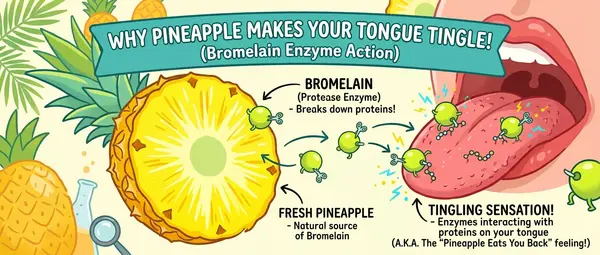
Pineapple stings your tongue because bromelain enzyme literally digests mouth proteins while you eat. The only fruit that eats you back with powerful...
Read more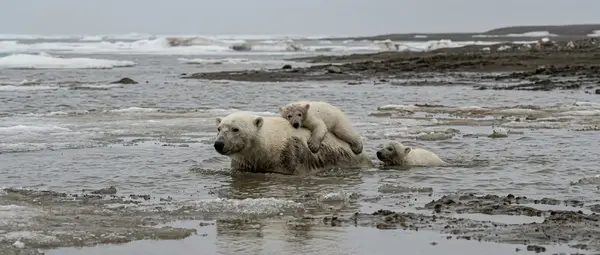
A viral 2026 photo shows polar bear cubs sleeping in mud instead of ice. Arctic temperatures hit record highs, forcing Earth
Read more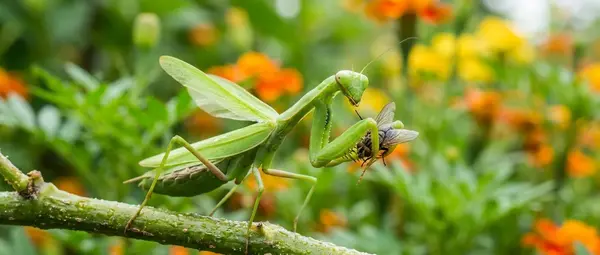
The praying mantis strikes in 25 milliseconds — 12 times faster than a human blink. Discover its 3D vision, raptorial legs, and deadly mating ritual.
Read more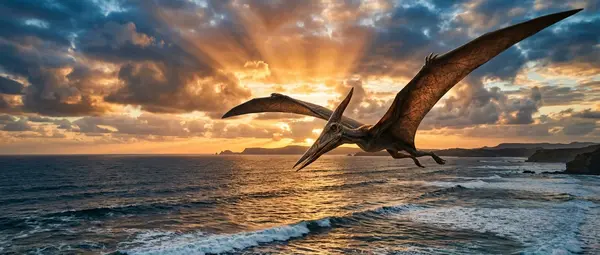
Discover how pterosaurs dominated Earth
Read more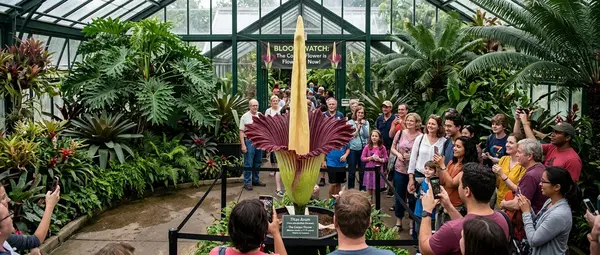
Eucalyptus deglupta sheds its bark in stunning rainbow colors — green, blue, purple, orange, red. The only Northern Hemisphere eucalyptus creates...
Read more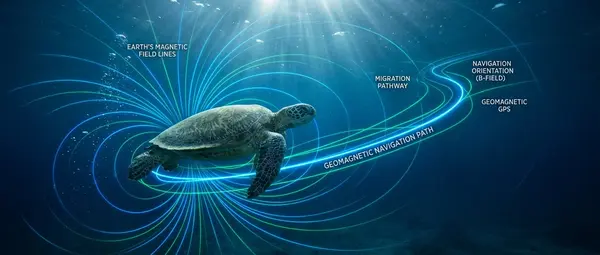
Sea turtles navigate thousands of miles using geomagnetic GPS — how magnetic imprinting guides them back to the exact beach where they hatched decades ago.
Read more
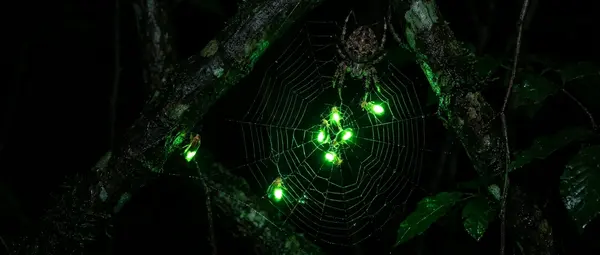
Taiwanese spiders trap fireflies alive in their webs, using their bioluminescence as glowing bait to attract 10 times more prey in a remarkable strategy.
Read more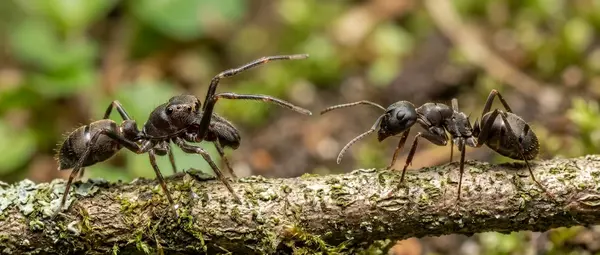
How jumping spiders transform into perfect ant mimics. From Myrmarachne formicaria
Read more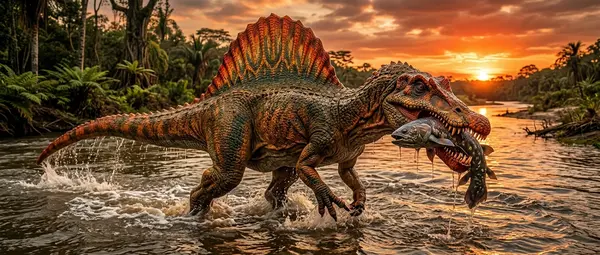
The 50-foot Spinosaurus was the first proven aquatic dinosaur, larger than T. rex, with a crocodile-like lifestyle in ancient African rivers.
Read more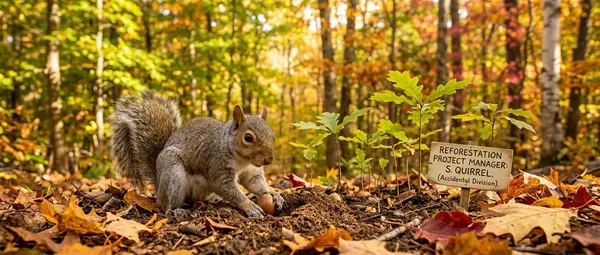
How squirrels plant millions of trees by burying acorns they forget. 74% are never retrieved, creating vast oak forests across North America annually.
Read more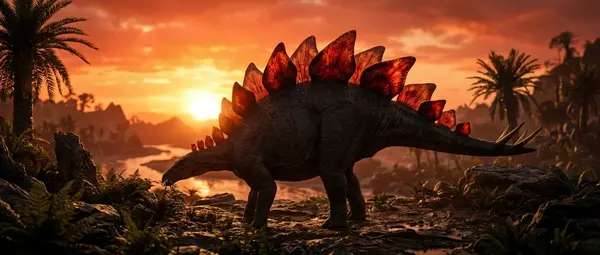
New research reveals the true purpose of Stegosaurus plates wasn
Read more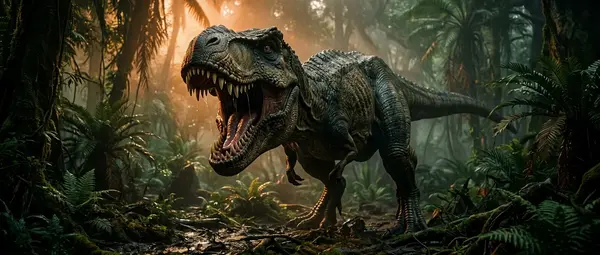
Discover 10 mind-blowing T-Rex facts that will change how you see the ultimate predator. From tiny arms to bone-crushing bites, the truth revealed.
Read more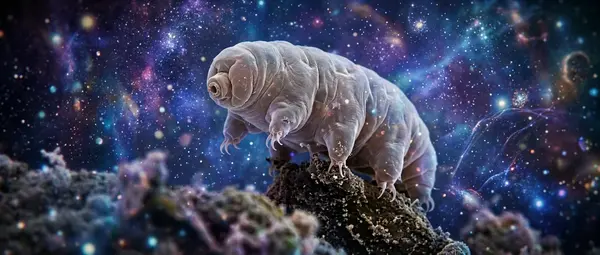
How tardigrades survive radiation 1000x lethal to humans, space vacuum, and decades of dehydration using unique TDP proteins and DNA repair mechanisms.
Read more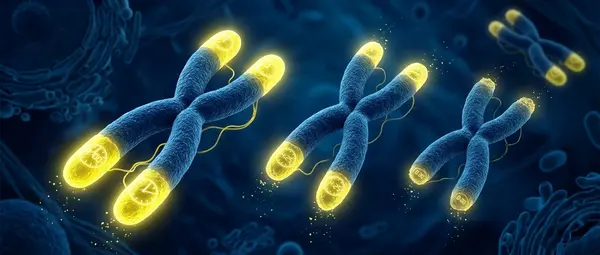
What are telomeres and why do they shorten with each cell division? Telomerase, Hayflick limit, stress, aging, and the path to anti-aging breakthroughs.
Read more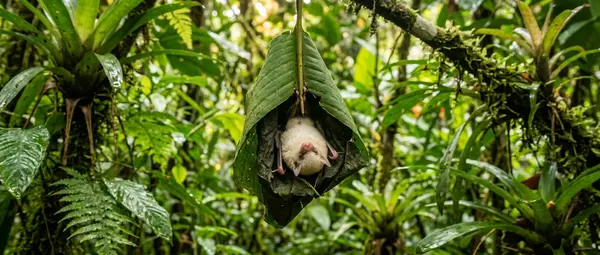
How tent-making bats cut and fold tropical leaves to create shelters — Ectophylla alba, Uroderma bilobatum and their remarkable leaf architecture revealed.
Read more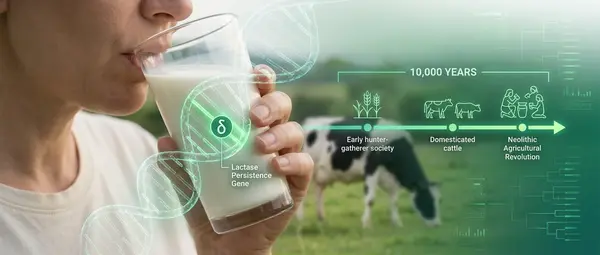

66 million years ago, a 10-kilometer asteroid hit Earth at 72,000 km/h, ending dinosaur reign in hours. Here
Read more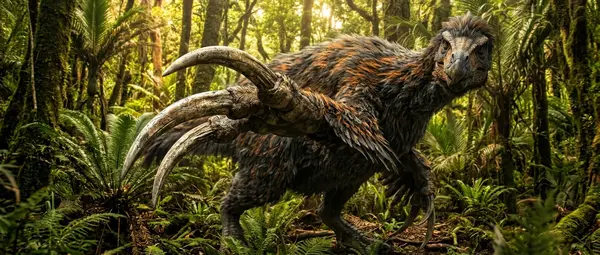
Meet Therizinosaurus, the 33-foot dinosaur with massive scythe claws that defied evolution
Read more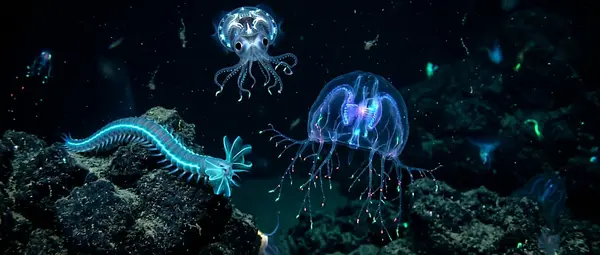
At 23,000 feet below the ocean surface, where pressure would crush a human instantly, bizarre translucent fish and giant amphipods thrive in eternal...
Read more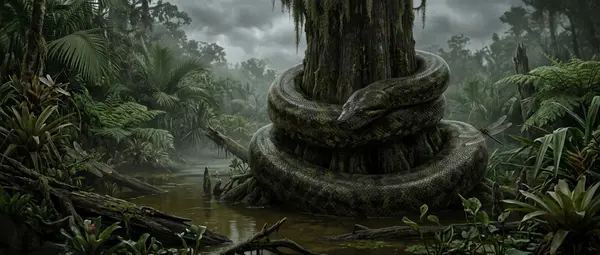
Meet Titanoboa, the largest snake ever discovered. This 50-foot prehistoric giant dominated tropical swamps 60 million years ago with crushing power.
Read more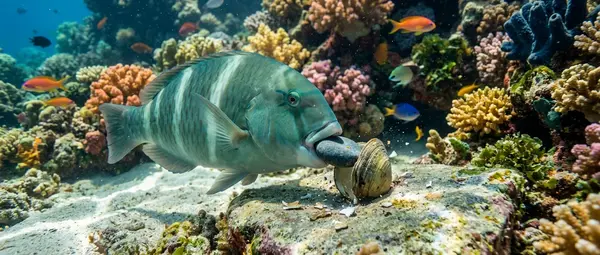
Cleaner wrasse fish pass mirror test in record time and use shrimp as tools. Revolutionary findings challenge everything we know about animal consciousness.
Read more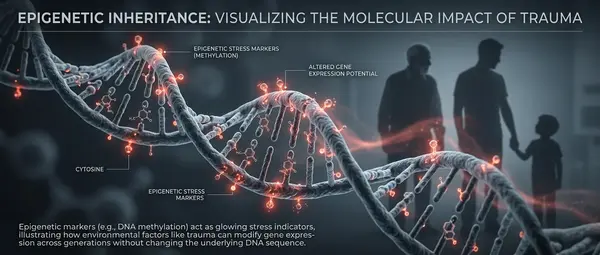
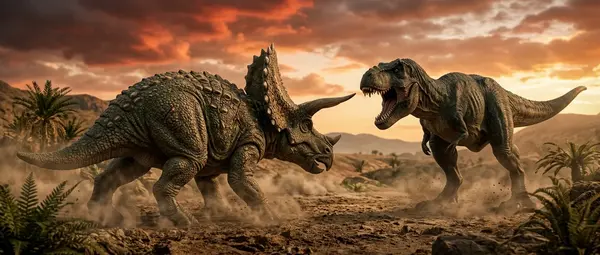
This 12-ton living tank had a 2.5-meter skull and faced T. rex in epic battles. Discover how Triceratops
Read more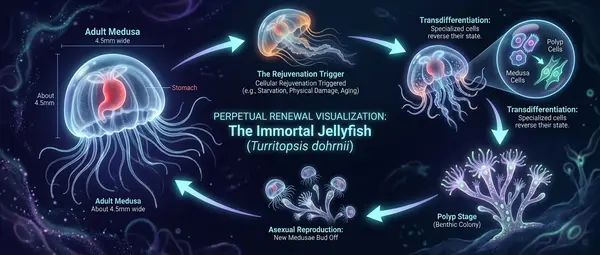
Turritopsis dohrnii reverses aging through transdifferentiation—the only animal that can reset its biological clock. Scientists discovered this 4.
Read more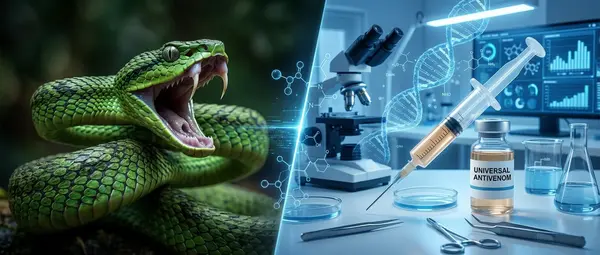
Scientists develop breakthrough universal snake antivenom using monoclonal antibodies targeting PLA₂ toxins — could prevent 138,000 deaths yearly.
Read more
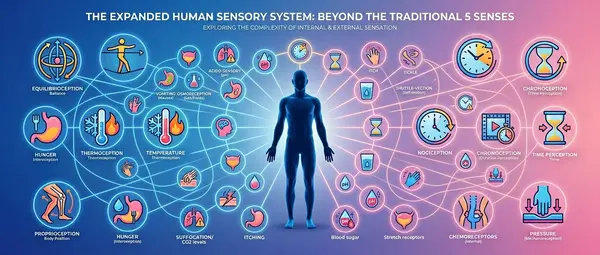
Aristotle was wrong: humans have 33+ senses, not 5. Proprioception, interoception, nociception reveal how your body secretly keeps you alive.
Read more
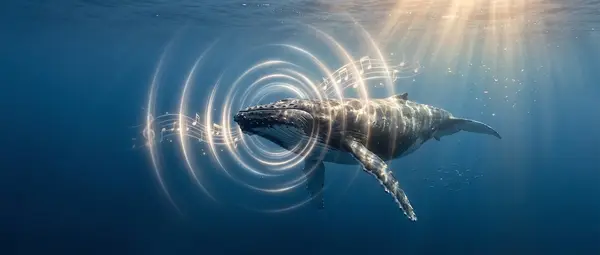
Humpback whales revolutionize their songs across oceans, revealing sophisticated cultural transmission that rivals human societies in complexity.
Read more
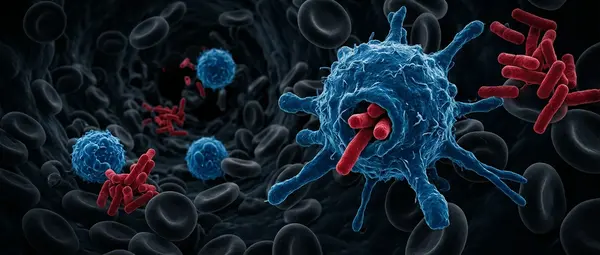
Millions of white blood cells wage invisible war inside you right now — neutrophils attacking bacteria, T-cells hunting viruses, and macrophages...
Read more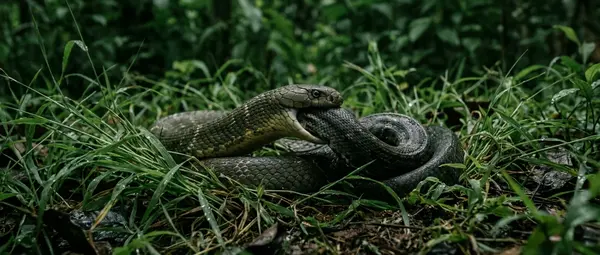
503 cannibalism reports across 207 snake species reveal this behavior evolved independently at least 11 times — a survival strategy, not an anomaly.
Read more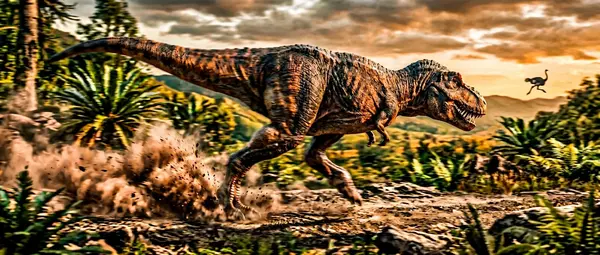
Discover how dinosaurs achieved speeds over 60 km/h through revolutionary anatomy, upright stance, and evolutionary innovations that modern animals lack.
Read more
How do giant sequoias survive 3,000-year wildfires? 24-inch bark armor, fire-activated cones, and an evolutionary secret spanning 100 million years.
Read more
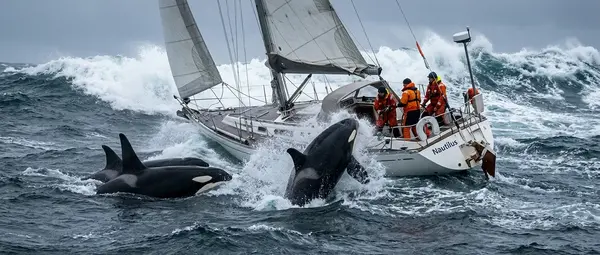
Every 2 days since 2020, orcas strike boats off Spain. 40 endangered killer whales break rudders for fun, baffling scientists across Europe.
Read more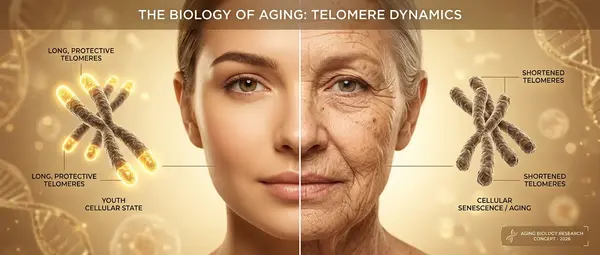
Telomeres, senescent cells, free radicals, epigenetics — discover the biological mechanisms driving human aging and cutting-edge research on reversing it.
Read more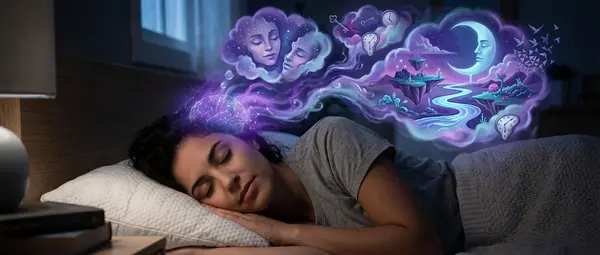
Your brain spends 2 hours nightly creating vivid scenarios you never asked for. Scientists discovered dreams aren
Read more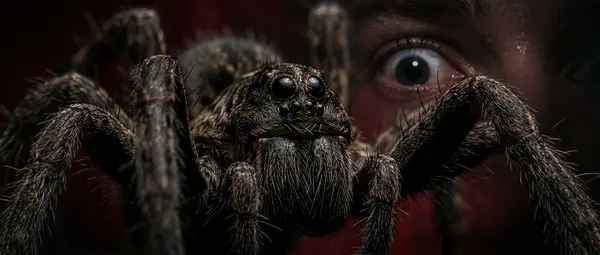
Spider fear is hardwired in our brains through amygdala circuits, prepared learning, and evolutionary psychology. Discover the science behind arachnophobia.
Read more
Why do hairs stand on end? From fear and cold to music-induced chills — the fascinating role of arrector pili muscles in a 65-million-year-old reflex.
Read more
How a bacterium 600 million years ago developed the first opsin proteins and how our retina ended up with 6 million cones — the evolution of color vision.
Read more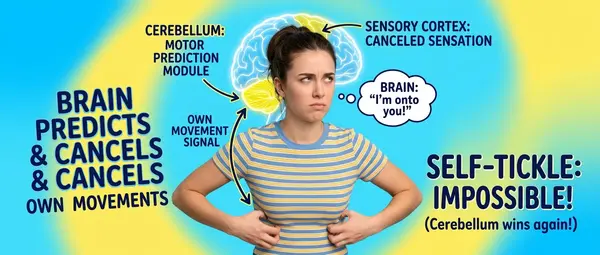
How the cerebellum prevents self-tickling through efference copies and neural prediction — the neuroscience behind this everyday impossibility.
Read more
Scientists discover massive coralline reef structures in Mediterranean depths, revealing hidden biodiversity hotspots built over millennia by calcifying alg.
Read more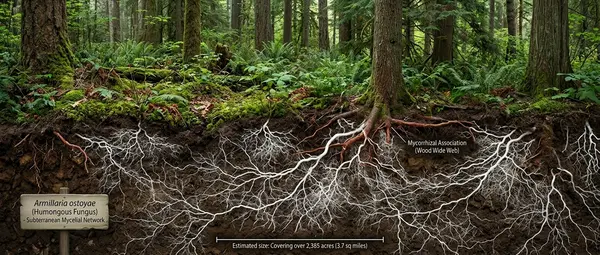
The largest organism on Earth is a fungus spanning 965 hectares in Oregon. Meet Armillaria ostoyae, the underground giant that weighs thousands of tons.
Read more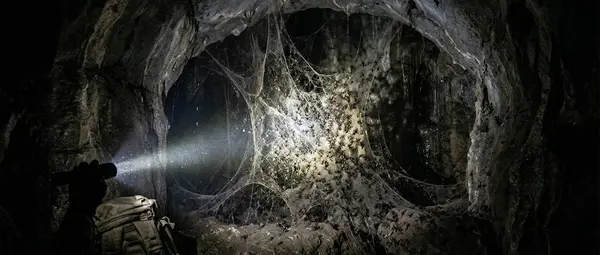
Inside a sulfur cave on the Greek-Albanian border, 111,000 spiders from two species coexist in the largest web ever discovered, redefining arachnid behavior.
Read more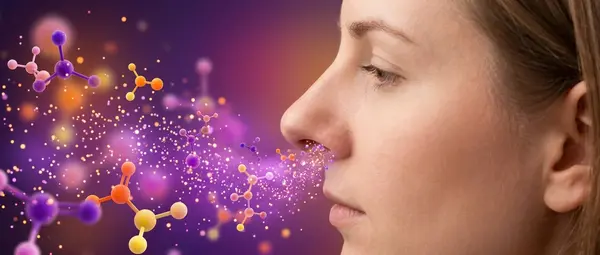
Your nose recognizes over 1 trillion scents using just 400 receptor types. Nobel Prize-winning science reveals how 5 cm² of tissue creates memories.
Read more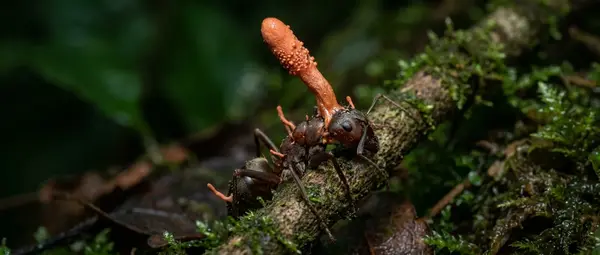
How Ophiocordyceps fungus transforms carpenter ants into zombies using neurochemical cocktails, controlling host behavior with surgical precision.
Read more