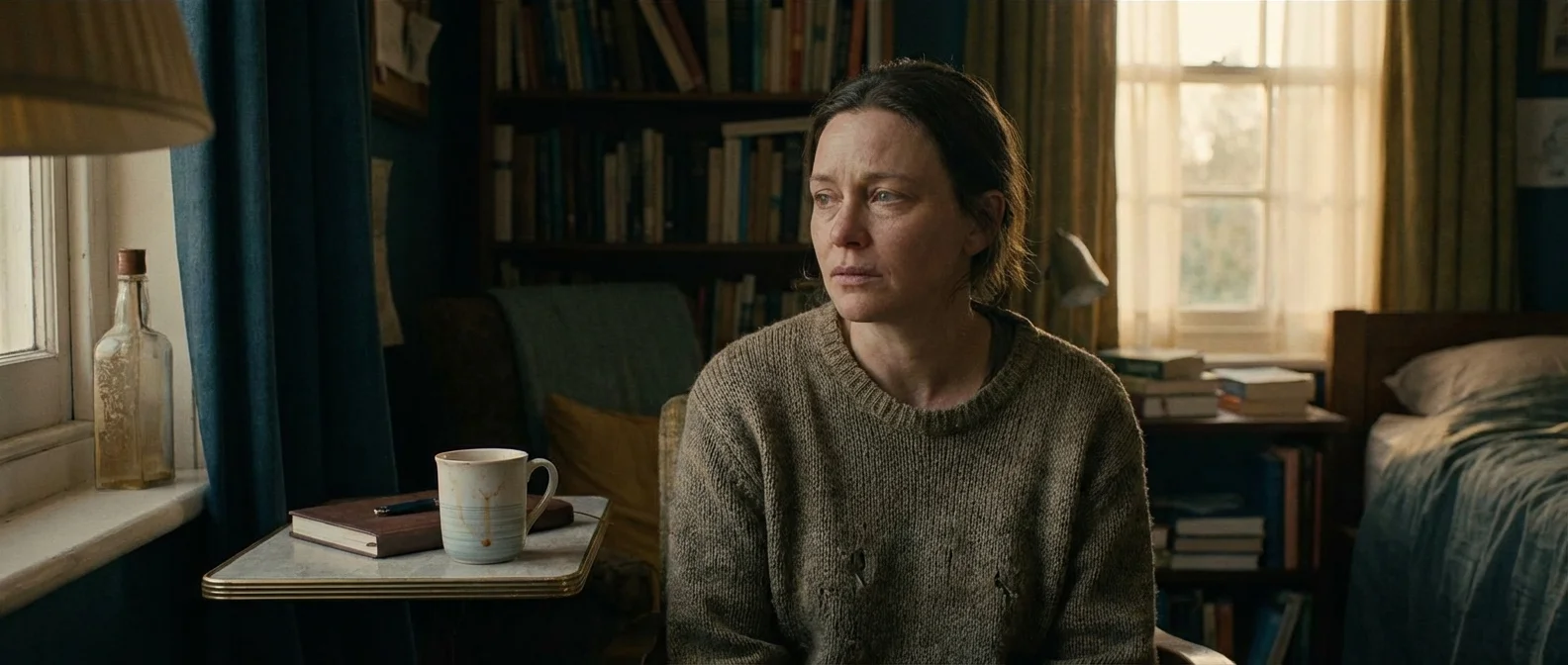
"Depression is just laziness"
Depression causes measurable changes in brain structure and function. Reduced serotonin, shrunken hippocampus, prefrontal cortex dysfunction. It’s a biological illness, not a lack of willpower.
"Just think positive"
Positive thinking cannot overcome neurochemical imbalances. It’s like telling someone with a broken leg to “just walk.” CBT helps restructure thoughts, but within a systematic therapeutic framework.
"Antidepressants turn you into a zombie"
The largest meta-analysis by Cipriani et al. (2018) in The Lancet, with 522 clinical trials and 116,477 participants, proved that all 21 antidepressants are more effective than placebo. They don’t “block” emotions — they restore neurochemical balance. DOI: 10.1016/S0140-6736(17)32802-7
"Depression is a character weakness"
Depression has a 40–50% genetic component. The study by Caspi et al. (2003) in Science showed that the interaction between genes and environment determines vulnerability. Nobody “chooses” depression. DOI: 10.1126/science.1083968
"Only women get depressed"
Women are diagnosed more frequently, but men die by suicide 3–4 times more often. Men often express depression through anger, irritability, alcohol, and risky behavior — symptoms not recognized as depression.
"If there’s a reason, it’s not real depression"
Depression can be triggered by events or appear without apparent cause. Both cases are valid depression. The “why” doesn’t change the need for treatment.
"It will pass on its own"
Without treatment, a depressive episode lasts on average 6–12 months. 50% of patients will relapse. With treatment, recovery time decreases dramatically and relapse risk is minimized.
"Successful people don’t get depressed"
Depression doesn’t discriminate. Robin Williams, Chester Bennington, Anthony Bourdain — success doesn’t protect. The stigma around successful people is particularly dangerous because it prevents them from seeking help.
"Talking about it makes it worse"
The meta-analysis by Cuijpers et al. (2019) in JAMA Psychiatry proved that psychotherapy is equally effective as pharmacotherapy for moderate depression. The combination yields the best results. DOI: 10.1001/jamapsychiatry.2019.0458
"Children don’t get depressed"
Approximately 3% of children and 8% of adolescents meet depression criteria. In children, it often presents as irritability, physical complaints, and declining grades — symptoms that frequently go unnoticed.
❤️ Take the First Step
If you or someone you know is facing depression, help exists. Talk to a mental health professional. Crisis helpline: 988 (USA) | 116 123 (EU).