Four doses over four weeks. That's all it took to transform lives shattered by PTSD — at least according to a clinical trial published in JAMA Psychiatry this February. Methylone, a synthetic drug derived from MDMA's chemical structure, slashed PTSD symptoms without requiring psychotherapy. Sounds too good to be true? The data tells a different story.
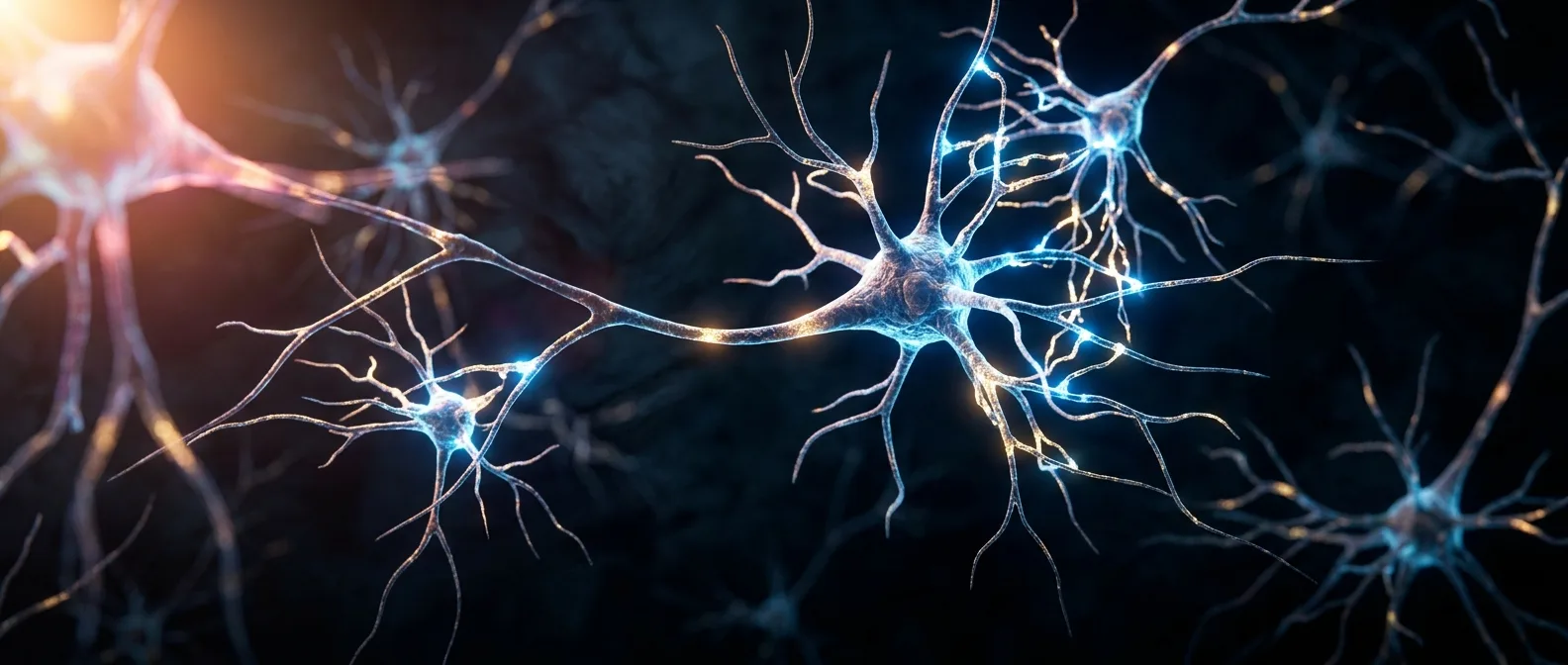
The research examines methylone (TSND-201) as a neuroplastogen — a compound that enhances the brain's ability to rewire itself. It floods the brain with serotonin, norepinephrine, and dopamine, triggering rapid and lasting neuroplasticity changes in regions hammered by PTSD. Unlike MDMA, this synthetic cousin doesn't directly activate 5-HT2A receptors, potentially sidestepping some complications.📖 Read more: PTSD: How Trauma Changes the Brain
🔬 The IMPACT-1 Clinical Trial: Numbers That Shock
Researchers ran this study between November 2023 and February 2025 across 16 centers in the US, UK, and Ireland. Sixty-five participants, average age 44 (60% women), entered this double-blind, placebo-controlled trial. The numbers hit hard. By day 64, total CAPS-5 scores improved by over 23 points in the methylone group versus less than 14 points with placebo. Even more striking — improvements showed up by day 10.Breaking Down the Breakthrough
Put this in perspective: over 57% of methylone patients showed treatment response (50% improvement or better) compared to just 19% on placebo. The knockout punch? A full 32% of the methylone group achieved remission (scores of 11 or lower) versus 11.5% on placebo.61% no longer met PTSD criteria
19 years average duration of PTSD symptoms
⚡ No Therapy Required — This Changes Everything
Here's the breakthrough: **no psychotherapy was provided**. Staff simply monitored participants during dosing days, available for adverse events and brief questions. This breaks completely from MDMA protocols, which demand extensive therapeutic support. The 2021 Nature Medicine study on MDMA-assisted therapy required three preparatory and nine integrative therapy sessions."No psychotherapy was administered in combination with the drug. Study staff monitored participants on dosing days, but their role was to be available in case of adverse events."
From the JAMA Psychiatry study
📖 Read more: AI Therapy Chatbot Cuts Depression by 51% in Clinical Trial
🧬 How Methylone Rewires Traumatized Brains
Methylone operates differently from standard antidepressants. While SSRIs like sertraline and paroxetine (the only FDA-approved PTSD drugs) show limited effectiveness, methylone hits multiple neurotransmitter systems simultaneously. The compound triggers serotonin, norepinephrine, and dopamine release. This cascade boosts neurotrophic support while directly promoting neurite growth. Translation: it helps the brain rewrite traumatic patterns.The MDMA Difference
While MDMA showed promise in earlier studies, design flaws in those clinical trials raised concerns about results. Methylone, as an MDMA derivative, offers similar benefits without certain limitations of its parent molecule.📊 Side Effects and Safety Profile
How safe is methylone? Side effects were generally mild to moderate and transient, typically appearing on dosing days and resolving within 24 hours.Common Side Effects
- Headache
- Decreased appetite
- Nausea
- Dizziness
- Increased blood pressure
- Dry mouth
- Insomnia
Long-Term Duration of Effects
One of the most striking findings: benefits persisted six weeks after the final dose. This suggests methylone doesn't just suppress symptoms — it potentially triggers lasting brain changes.📖 Read more: AI Brain Drain: Adults Lose Skills, Kids Never Build Them
🎯 Limitations and Next Steps
This was a phase 2 study, evaluating a relatively small group to test drug effectiveness and safety. The pharmaceutical company developing methylone plans to launch a large phase 3 trial, critical if the drug will gain approval for clinical use. Why does this matter? Phase 3 studies often fail to reproduce smaller phase 2 results. We've seen this pattern repeatedly in drug development.What About Military PTSD?
Another limitation: only 8% of participants experienced military trauma. Military-related PTSD can be particularly treatment-resistant, so results can't address methylone's effectiveness in this population.🔮 What This Means for PTSD Treatment's Future
If methylone proves effective in larger studies, an effective PTSD treatment could become available within five years. This could revolutionize care for millions worldwide suffering from this disorder. Current approved pharmaceutical treatments for PTSD include two SSRIs — sertraline and paroxetine. These drugs often show limited effectiveness. Various psychotherapies have also been used for PTSD treatment, but frequently don't lead to significant improvement.Neuroplasticity
Methylone enhances neuroplasticity, helping the brain forge new connections
Rapid Action
Results appear within 10 days, unlike months required by traditional drugs