📖 Read more: Brain Microplastics: 5 Ways They Trigger Alzheimer's & Dementia
🧬 The Brain as a Plastic Trap
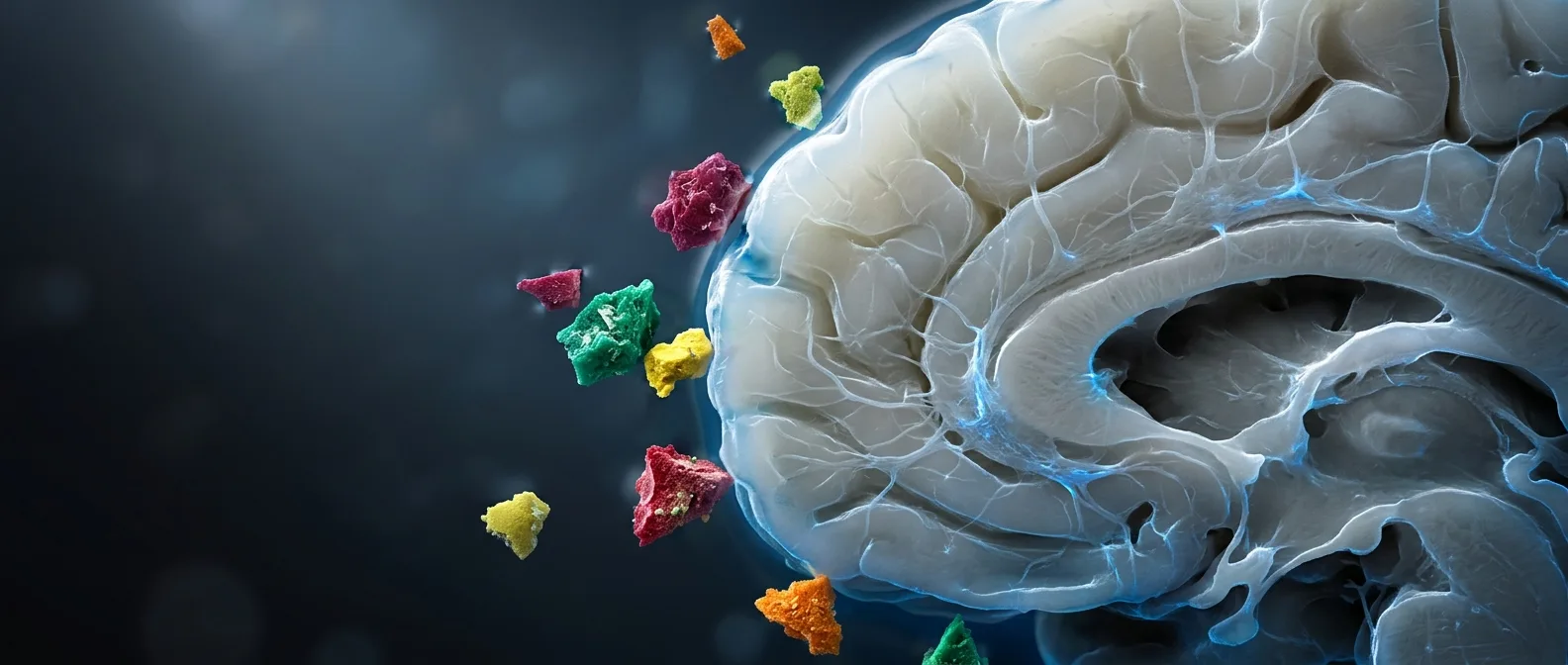
A 2024 study from the National Institutes of Health analyzed autopsy samples from New Mexico. The results were jarring: brains contained 10 to 30 times more microplastics than livers and kidneys. "It's pretty alarming," said Matthew Campen, a toxicologist at the University of New Mexico who led the research. "There's much more plastic in our brains than I ever would have imagined or been comfortable with."Why the Brain Attracts Plastic
Three factors explain this accumulation. First, the brain's rich blood supply carries particles from circulation. Second, the blood-brain barrier isn't as protective as we thought. Third, brain cells don't regenerate like other organs — the plastics just stay put. Most particles found were polyethylene. The world's most common plastic, used in bottle caps and shopping bags.📖 Read more: Thalamus: The Brain Filter That Grows Wisdom With Age
🔬 The Alzheimer's and Parkinson's Connection
What's causing particular alarm is an early finding from the same study. Twelve samples from patients who died with dementia — including Alzheimer's — contained up to 10 times more plastics than healthy samples. Hold on. We're not talking causation here. The research doesn't prove microplastics cause dementia. But it shows a correlation worth investigating.Damage Mechanisms
Lab experiments show microplastics can: - Trigger inflammation in brain tissue - Damage cells and cellular structure - Alter gene expression - Transport toxic chemicals into the body Plastics contain over 13,000 different chemical compounds. Some, like phthalates and BPA, are known endocrine disruptors that mess with hormonal systems.⚡ How They Reach the Brain
The pathway is simpler than it appears. We swallow microplastics in food and water. We inhale them from house dust and our clothes. Once they hit the gut or lungs, they cross into blood circulation. From there they travel to every organ. Microplastics have already been found in: - Heart and blood vessels - Liver and kidneys - Placenta and reproductive organs - Knee and elbow joints - Bone marrow"Nowhere has been left untouched — from the depths of the ocean to the atmosphere and the human brain"
— Bethanie Carney Almroth, Ecotoxicologist at University of Gothenburg
The Gut-Brain Axis
A critical mechanism is the so-called gut-brain axis. Microplastics disrupt intestinal microbiota and trigger inflammation. This affects the whole body through the immune system and bidirectional communication between gut and brain. This connection is implicated in many aspects of health and disease, including neurodegenerative conditions like Alzheimer's and Parkinson's.📖 Read more: BrainIAC AI Predicts 10 Brain Diseases From Single MRI Scan
📊 The Troubling Numbers
The data speaks for itself. An Italian study tracked 312 patients who underwent carotid artery plaque removal. Nearly six in ten had microplastics. These patients had 2.1 times higher risk of heart attack, stroke, or death over the next 34 months.Brain
10-30x more microplastics than other organs
Heart
2.1x increased cardiovascular event risk
The Generation Growing Up with Plastics
The most concerning findings involve children. Studies have found microplastics in every placenta examined. This means exposure begins in the womb. Children born today will have decades of plastic exposure. What does this mean for their brain health at 50 or 60?📖 Read more: Brain Memory Study Rewrites Everything We Thought We Knew
🛡️ What We Can Do
Complete avoidance is impossible, but we can reduce exposure. Researchers recommend: **In the Kitchen:** - Avoid plastic containers, especially in microwaves - Choose tap water over bottled - Reduce processed foods **At Home:** - Regular cleaning to reduce dust - Natural fabrics instead of synthetic fibers - Ventilate homes with open windows Research teams are working on gut protection strategies through diet and probiotics. The goal is preventing microplastics from crossing from the intestine into blood circulation.The Bigger Bet
The solution isn't just individual, of course. In 2024, the United Nations continues negotiations for a global plastic pollution treaty. Several countries, including the US, support measures to reduce global plastic production.🎯 Frequently Asked Questions
Do microplastics definitely cause dementia?
Not yet. Research shows correlation, not causation. We need more studies to understand the cause-and-effect relationship.
How dangerous are the levels we're finding in brains?
We don't know yet. Lab experiments show potential harm, but we haven't established "safe" levels for humans.
Can the body eliminate microplastics?
Partially. But the brain appears to accumulate more than other organs, possibly due to less cellular renewal.
Research on brain microplastics is still in early stages. But the initial findings are enough to make us think seriously about our relationship with plastic. Maybe the next generation will need to learn to live in a world where the brain is protected as much as the heart. Until then, every small change in our daily choices counts.