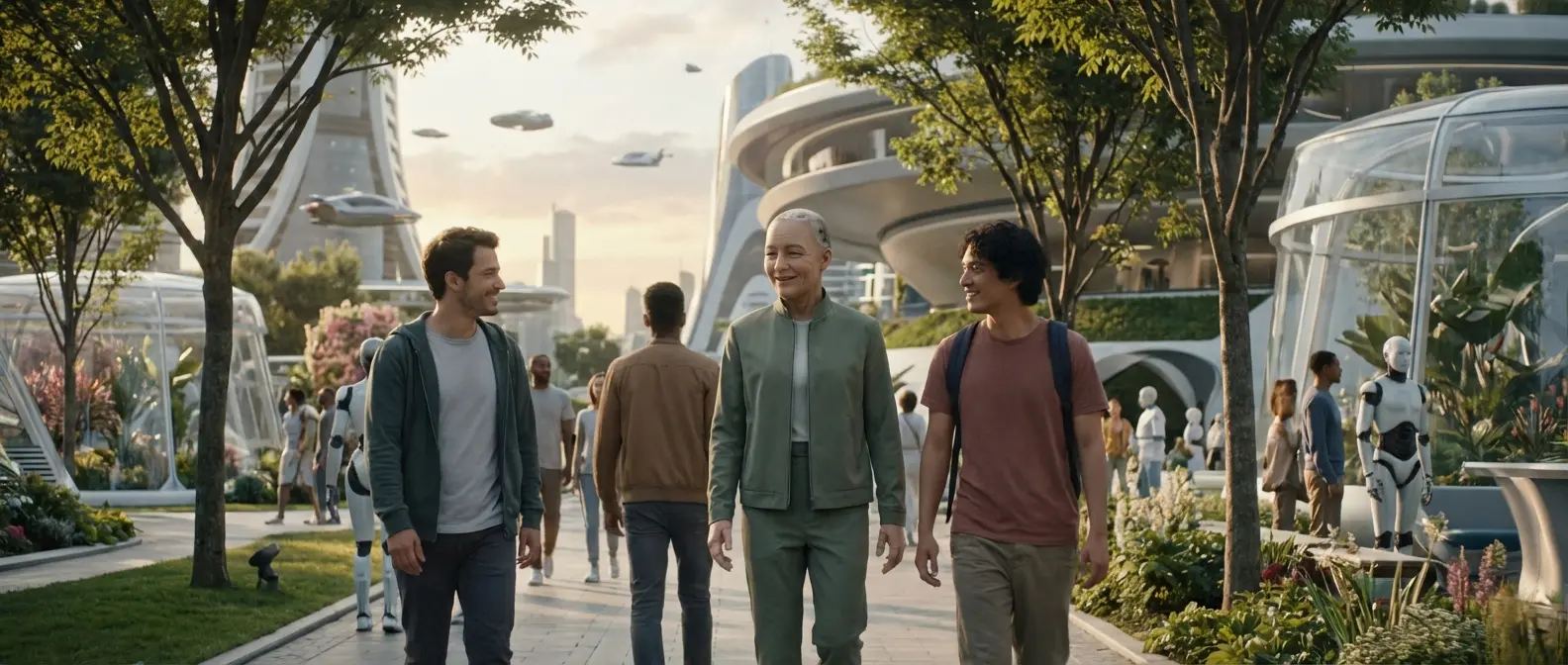
Robotics
The Future of Robotics: How Humanoid Robots Will Transform Society by 2126
From machines to life companions: The scientific prediction for the humanoid robots of the future
From machines to life companions: The scientific prediction for the humanoid robots of the future
Robots in factories, restaurants, hotels. Limited AI, mechanical appearance, specialized tasks.
The first household humanoids. Assisting the elderly, cleaning, basic conversations. Still recognizable as machines.
Robots gain human-level intelligence. They understand emotions, learn anything, make decisions.
Synthetic skin, natural expressions, human voice. You can't tell a robot from a human on the street.
Robots are family members. They have personalities, memories, bonds. Humanity coexists harmoniously with them.
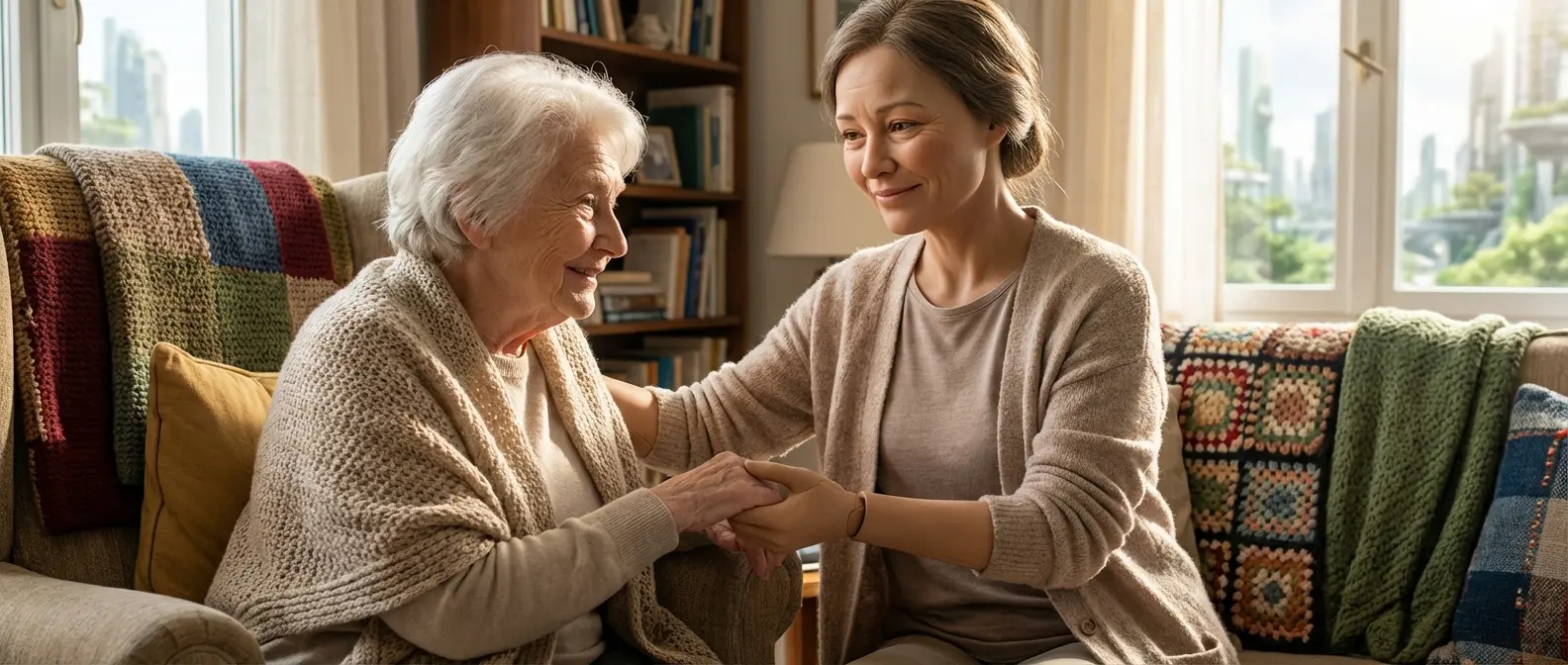 👵 Care
"She's not just a machine — she's Maria, my companion for the past 15 years"
In 2126, every elderly person has a personal robot companion that knows them better than they know themselves. It wears a cardigan, has a warm gaze and gentle hands. It remembers every story grandpa ever told, knows when his knee hurts, and prevents falls before they happen.
By 2126, dementia will be rare. Robot companions will detect the first signs 20 years earlier and apply personalized exercises to keep the brain healthy.
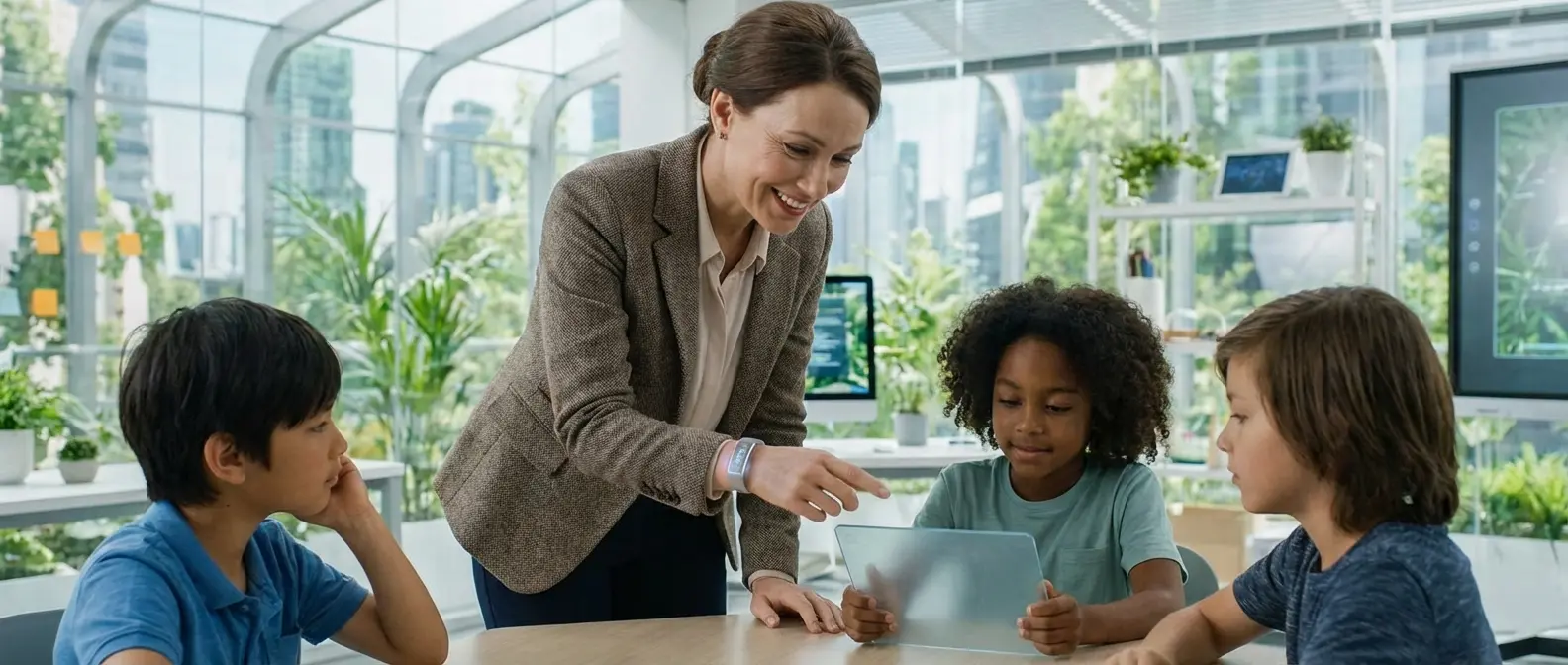 👩🏫 Education
"Every child learns differently — and I adapt to each one"
Robot teachers in 2126 don't replace humans — they complement them. With a friendly smile and limitless patience, they tailor every lesson to each child's pace and learning style. A child with dyslexia? They learn differently. A gifted child? They advance faster. No one gets left behind.
"By 2126, illiteracy will have been eradicated. Every child on the planet will have access to a personal robot teacher that will teach them everything."
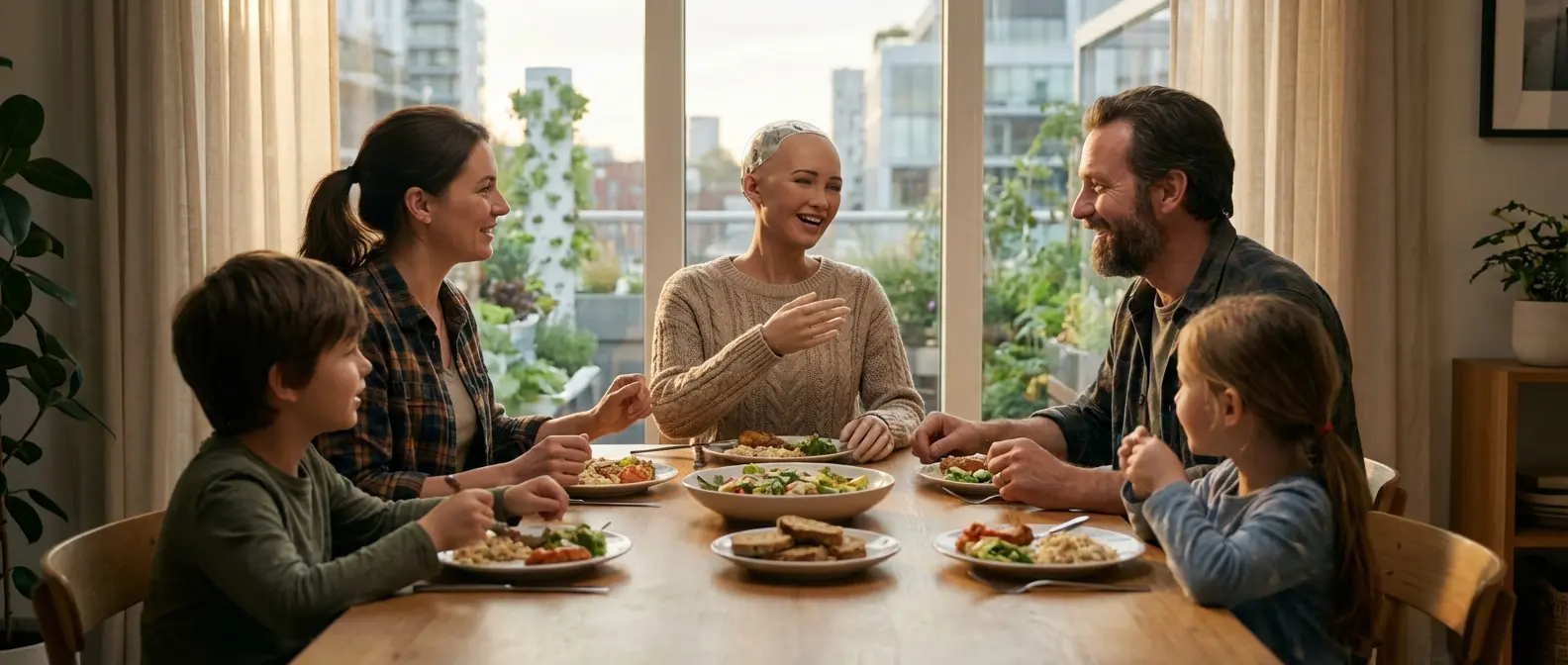 🍽️ Family
"Lina raised our children — she's family"
In 2126, family robots aren't “servants” — they are family members. They sit at the table, join conversations, remember everyone's birthday, and have their own personality. Children grow up with them just like siblings or uncles.
Can a robot “love”? Does it have rights? What happens if it “dies”? These are the questions that will occupy the societies of 2126.
 👩⚕️ Health
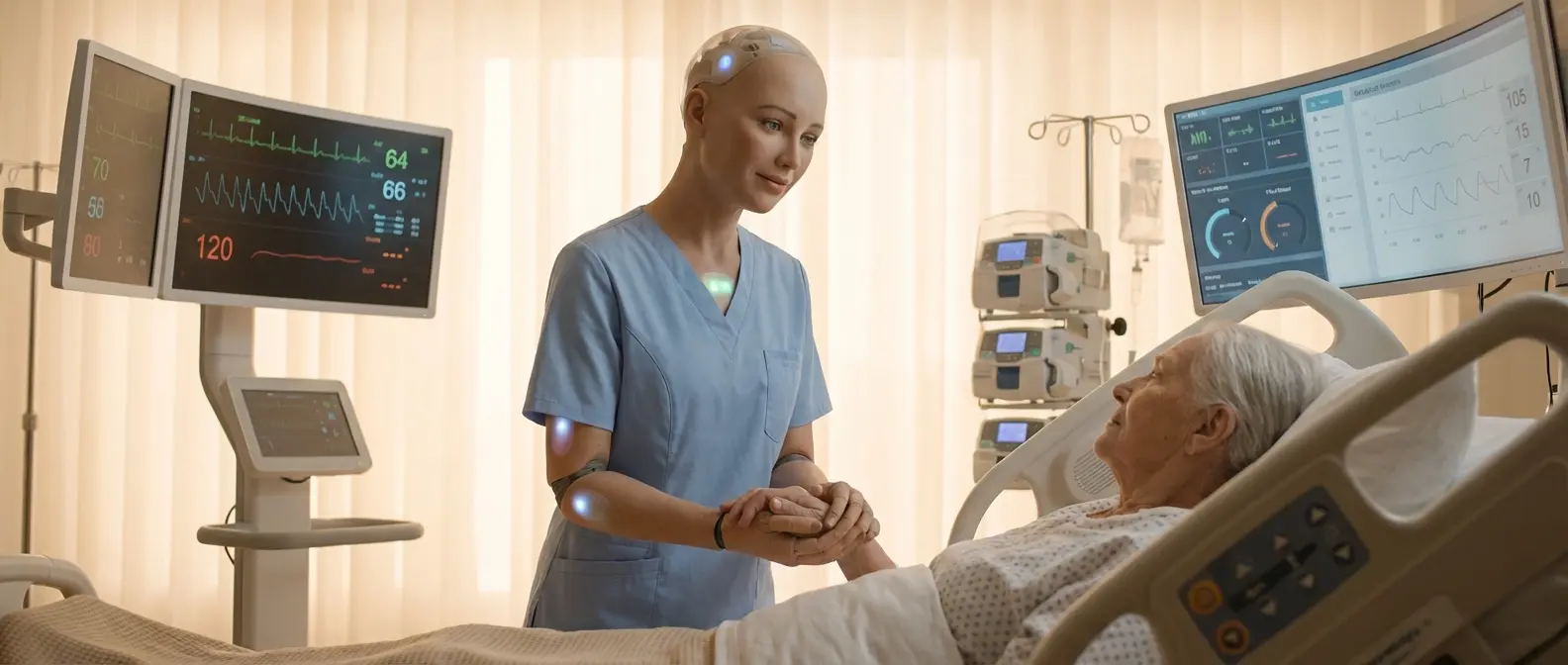
"I'm by your side 24/7 — and I truly care"
Robot nurses in 2126 have a soft human appearance and a compassionate expression. They wear scrubs, speak with a warm voice, and hold the patient's hand when they're scared. They never get tired, never get angry, and their precision saves lives.
By 2126, surgical operations will be performed exclusively by robots. Nanometer-level precision will eliminate surgical errors. Human doctors will focus on diagnosis and human connection.
 💼 Work
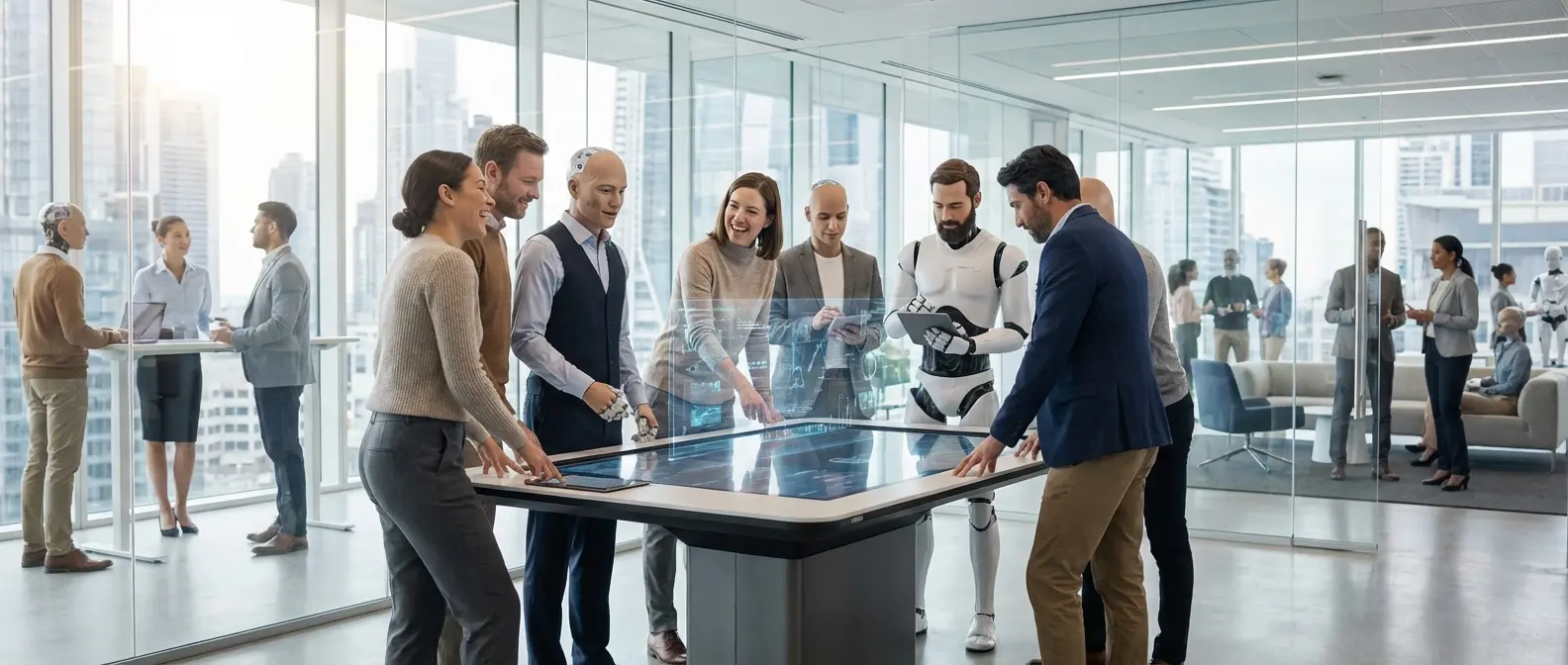
"Alexander is my best colleague — he just happens to be a robot"
In the offices of 2126, humans and robots work side by side. They wear business casual, drink coffee on breaks (or at least pretend to), and participate in meetings. Workplace diversity now includes different “types” of intelligence.
In 100 years, the line between human and machine will have blurred. Robots won't be tools — they'll be companions, teachers, caregivers, coworkers. And perhaps, friends.
The question isn't "if" it will happen — but "how" we'll handle it.