📖 Read more: Huawei AI Networks MWC 2026: Agentic Core for 5G-A Evolution
🧠 When Networks Develop Consciousness
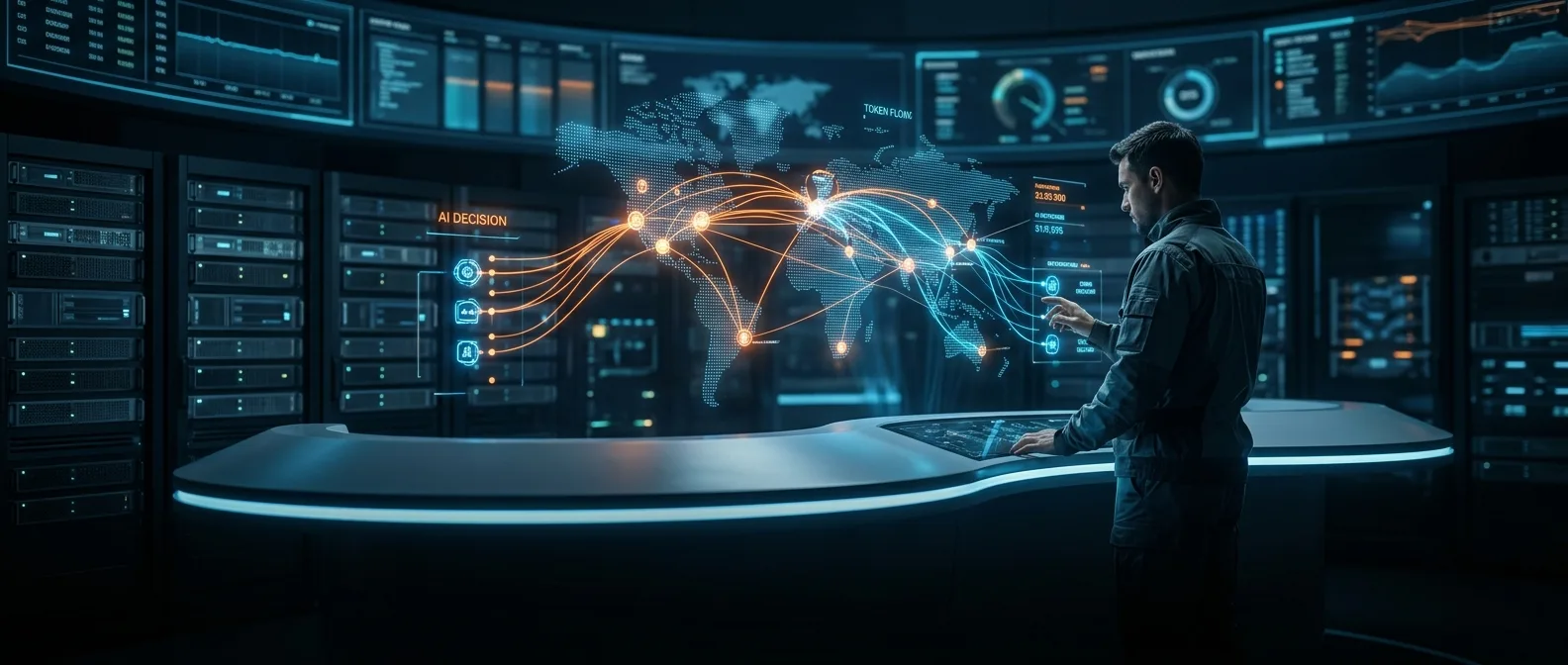
Ericsson unveiled something that sparked serious debate: Agentic rApp as a Service on AWS Marketplace. This isn't automation as we've known it. This is intelligence that makes decisions, predicts problems, and — most crucially — generates economic value from its own operation. Vivo Brazil, with its 103 million connections, is already testing the system. Every time the agentic AI optimizes the network, it creates a "value token" — a digital representation of energy savings, performance improvements, or customer satisfaction gains. These tokens aren't just metrics. They're the new "currency" of telecommunications. But how realistic is all this? Ericsson promises a lot — and their track record with overhyped presentations isn't exactly stellar. Still, the numbers from Brazil speak for themselves.🔄 The Token Economy Twist
Unlike cryptocurrency tokens, telecom tokens represent real, measurable value: bandwidth savings, latency reduction, energy optimization. Each token is "backed" by proven network performance improvements.
📊 Numbers That Make the Difference
NVIDIA's research says it all: 89% of telecom providers will increase AI budgets in 2026. But behind this statistic lies something deeper. This isn't just about technology investment — it's about fundamental business model transformation.🌍 The African Surprise
What struck us is that the first large-scale autonomous antenna deployment happened in Africa, not in "traditional" telecom markets. The explanation is simple: in emerging markets, maintenance costs and lack of specialized personnel make autonomous operation not just desirable, but essential. MTN Ghana doesn't have the luxury of sending technicians to remote areas every time an antenna needs adjustment. So agentic AI becomes not a technological "toy," but a core business necessity.📖 Read more: MWC 2026: What We Saw at the Biggest Expo
⚡ Deutsche Telekom and the OpenAI Experiment
Deutsche Telekom follows a completely different approach. Instead of a horizontal platform like Amdocs aOS, they're betting everything on a deep partnership with OpenAI. ChatGPT Enterprise for 261 million mobile customers and an AI Gigafactory already under construction. The strategy is bold — and risky. DT is betting that frontier AI will provide competitive advantages that can't be easily copied. But what if OpenAI changes policy? What if other providers develop better in-house models?"Network autonomy isn't a technological dream. It's a business necessity for those who want to survive in the AI era."
Laurent Laboucher, Orange CTO and Chairman NGMN Alliance
🔧 The Telefónica Formula
Telefónica has found a more balanced path. Twelve Level 4 use cases in operation — meaning highly advanced automation with minimal human intervention. And simultaneously, a multi-vendor approach that spreads the risk. Core networks with Mavenir, RAN with Ericsson, enterprise AI with OpenAI tools. It's the "don't put all your eggs in one basket" strategy, fitting for a company operating in so many different markets.🎯 Token Economics: The New Language of Value
The most fascinating aspect of this evolution is how tokens measure and create value in telecom networks. Instead of traditional metrics like cost per GB or revenue per user, agentic networks introduce new economic categories.Value Creation Tokens
Generated when AI improves network performance beyond predetermined baseline metrics.
Energy Efficiency Tokens
Every kWh saved through intelligent power management converts into tradeable tokens.
Security Enhancement Tokens
Agentic AI that prevents cyber threats creates tokens based on damage prevention.
💰 From SaaS to Token-as-a-Service
The evolution from per-seat pricing to token-based consumption changes everything for telecom CIOs. Instead of paying €X per user per month, they pay for "consumed intelligence." Every agentic decision, every autonomous optimization, every intelligent intervention costs tokens. This could be fairer — you pay for what you use. But it's also more unpredictable. A complex agentic workflow might cost hundreds of euros in tokens, while simple optimization costs just cents.📖 Read more: Google Teams Nokia & One NZ: AI Networks 2026
🌐 The 6G Paradox
One of the biggest questions emerging from MWC 2026 is how token economics will connect with the upcoming 6G ecosystem. The NGMN Alliance warns of fragmentation risk — different technology stacks that could create incompatibilities. But if every vendor develops its own token economy, we might have something much worse than technological fragmentation. We might have economic fragmentation — tokens that don't "talk" to each other, that aren't exchangeable, that create silos instead of interoperability.🔮 The 2030 Scenario
Imagine a world where telecom networks exchange tokens with each other for optimal routing, shared spectrum usage, and collaborative threat detection. Is it science fiction — or the inevitable future?