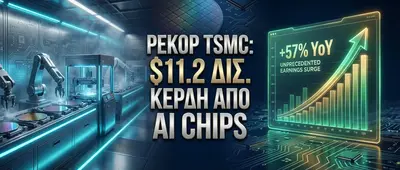
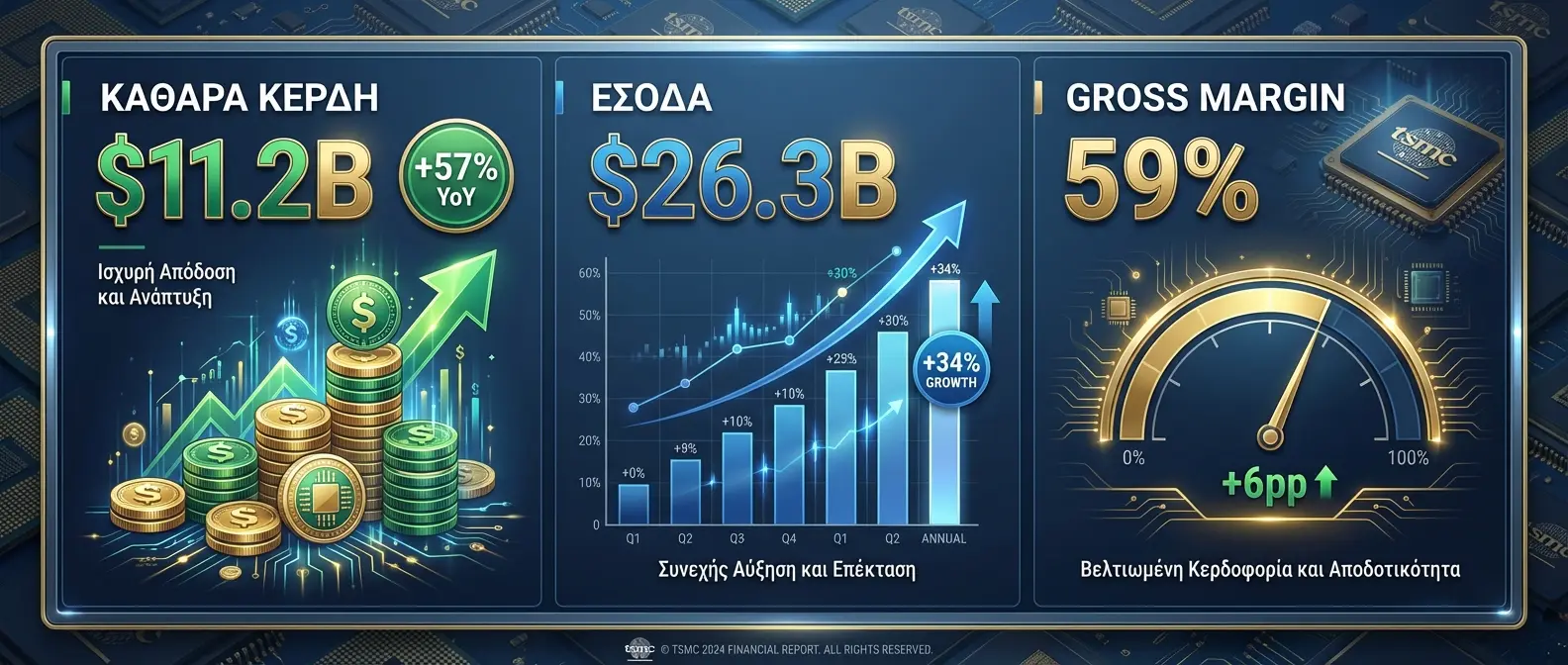
Taiwan Semiconductor Manufacturing Company (TSMC), the world's largest semiconductor manufacturer, announced record profits for Q4 2025, posting a 57% increase compared to last year. The company stated that demand for artificial intelligence chips is “endless” and plans investments of up to $56 billion in 2026 to meet demand.
"AI chip demand is truly endless. We see customers requesting ever more capacity, and this will continue for many years to come."
The results exceeded analyst expectations and sent TSMC's stock up 5.6% on the US stock exchange. Meanwhile, its supplier ASML saw its stock soar to an all-time high, with its market capitalization surpassing $500 billion.
📖 Read more: Apple Lost the AI War - Google Gemini Is Coming to Siri
🔬 The AI Revolution in Semiconductors
TSMC is the “unsung hero” behind every smartphone, computer, and data center in the world. It manufactures chips for the biggest tech giants — Apple, Nvidia, AMD, Qualcomm — using the most advanced manufacturing technologies available.
The explosive growth of artificial intelligence has transformed the semiconductor industry. AI workloads require massive computing power, which means more chips, more advanced, in larger quantities than ever before.
💰 The Numbers Shaking the Market
TSMC's Q4 2025 financial results are impressive:
| Metric | Q4 2025 | Q4 2024 | Change |
|---|---|---|---|
| Net Profits | $11.2B | $7.1B | +57% |
| Revenue | $26.3B | $19.6B | +34% |
| Gross Margin | 59% | 53% | +6pp |
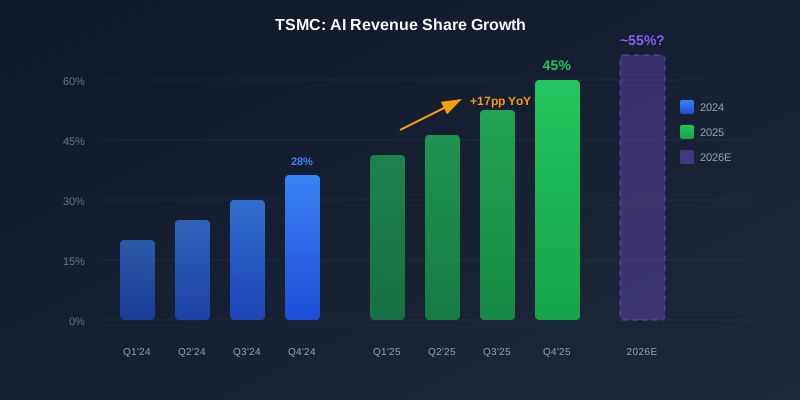
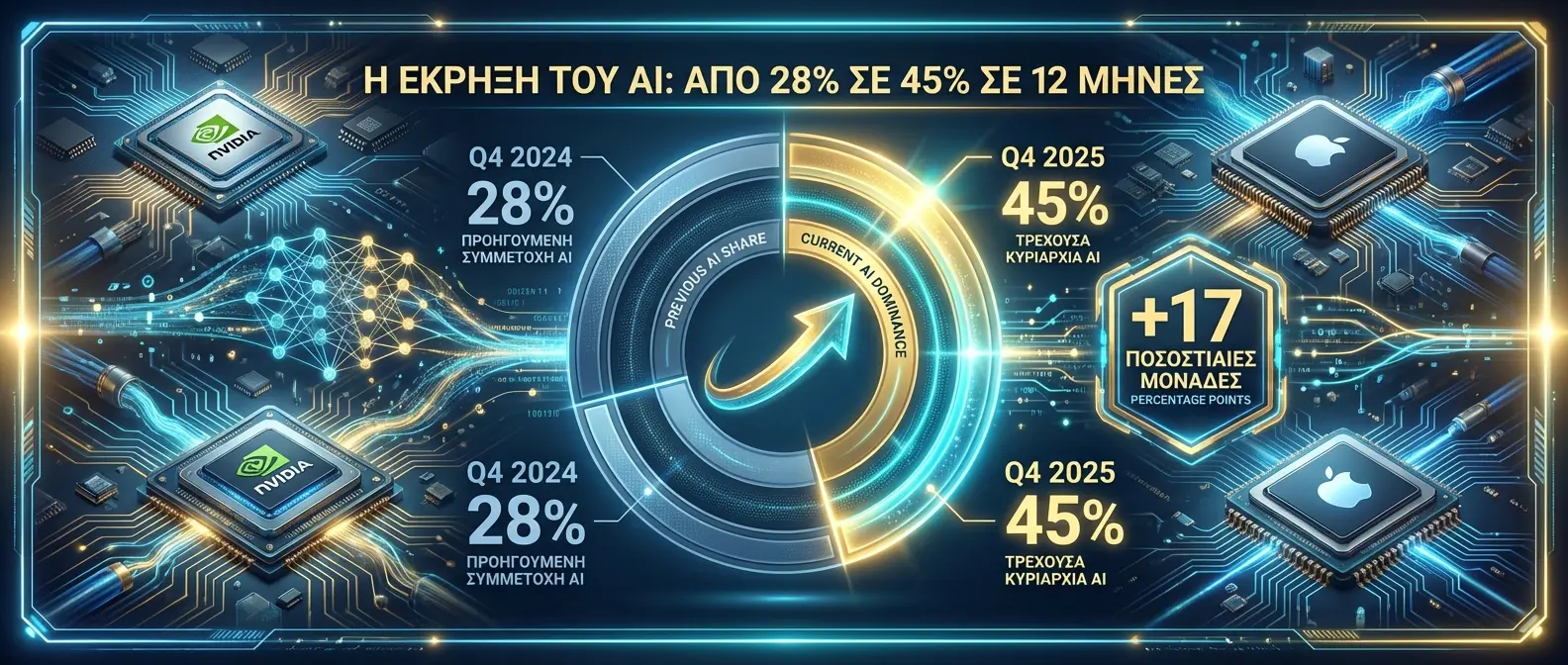
| AI Revenue Share | 45% | 28% | +17pp |
📈 Key Observation
AI chip revenue share grew from 28% to 45% in just one year — an increase that shows how rapidly AI is dominating the industry.
🏭 $56B Investment — The Largest in History
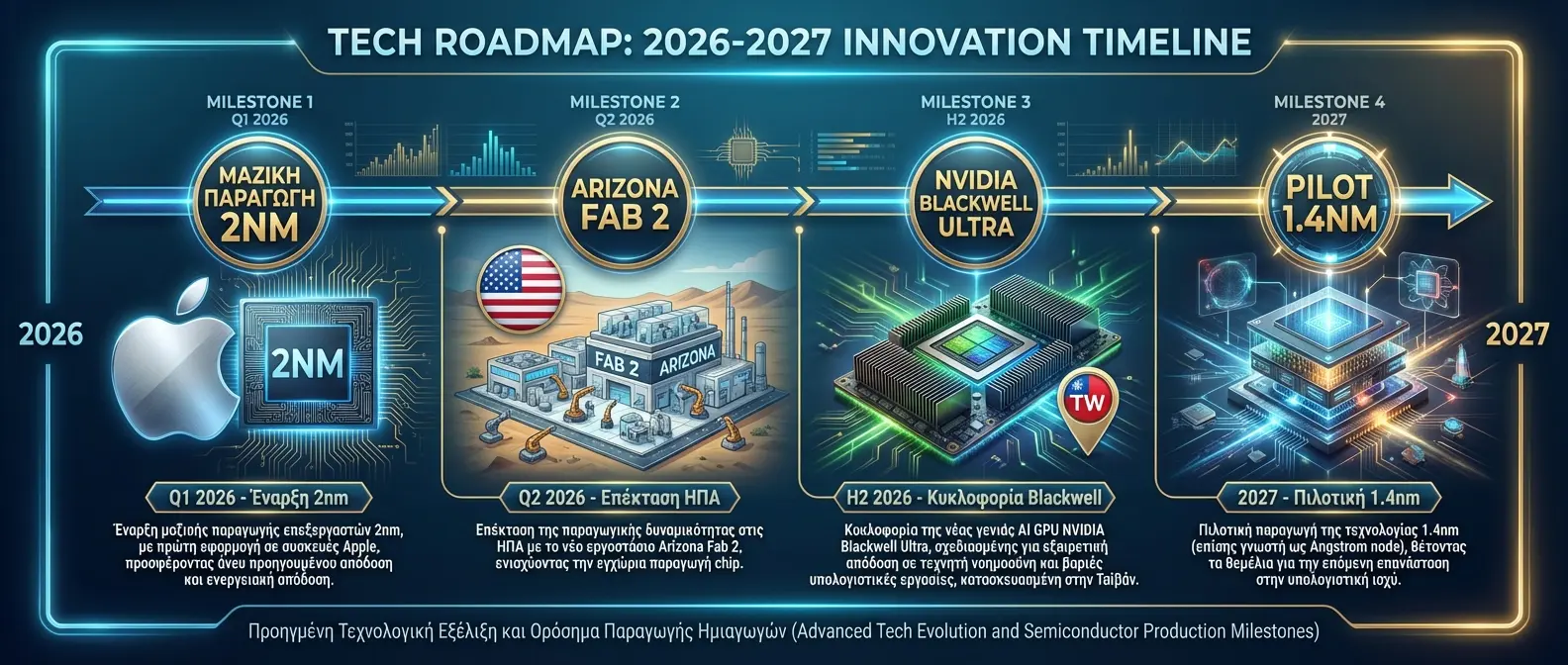
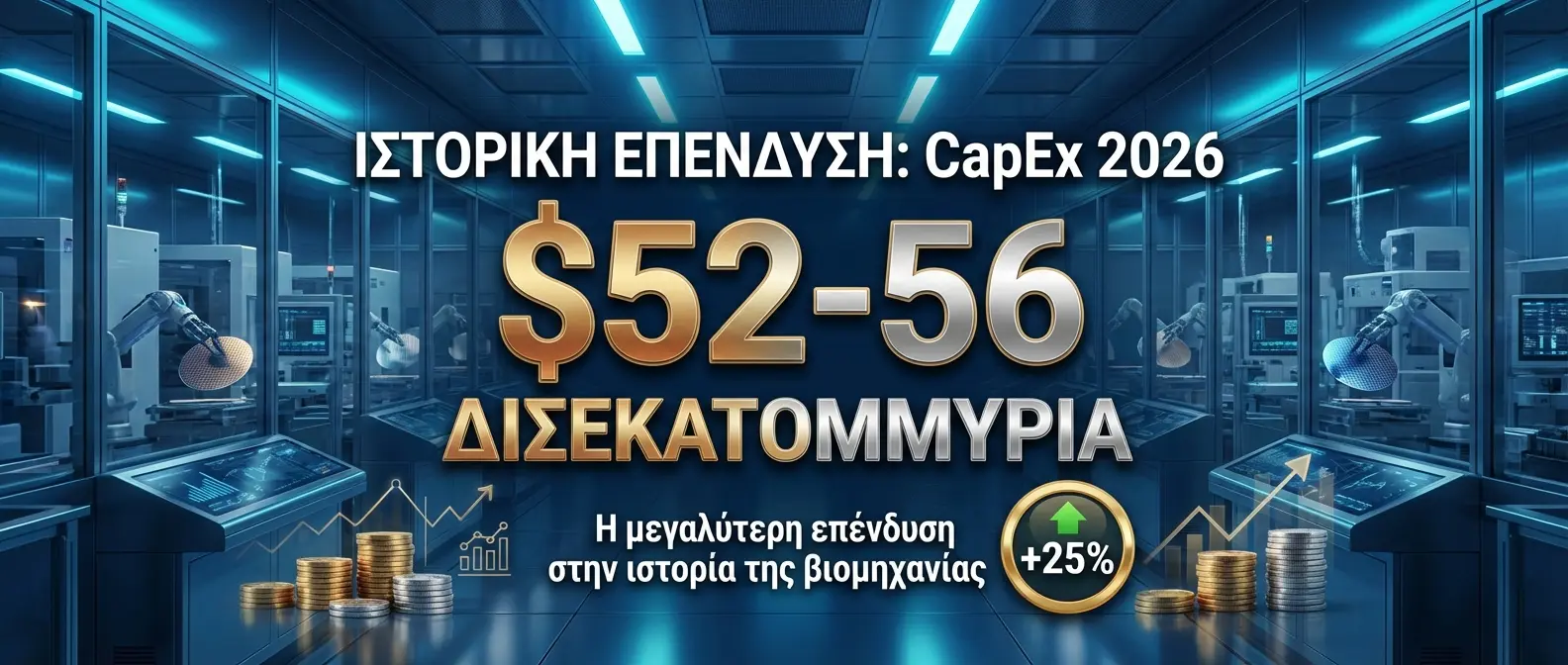
TSMC announced it will invest between $52-56 billion in 2026 in new facilities and technologies — an increase of at least 25% from 2025. This represents the largest investment in the history of the semiconductor industry.
🌍 Geopolitical Dimensions
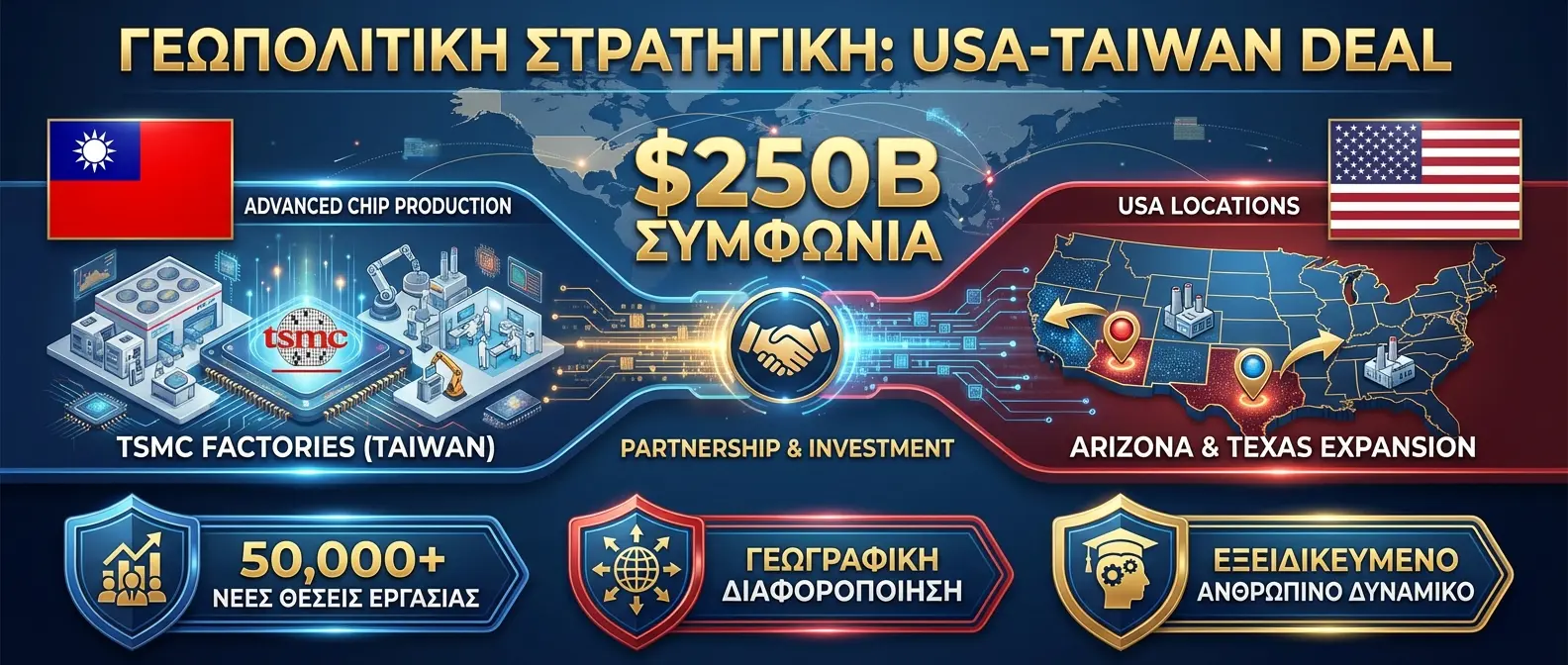
The announcement comes just days after the mammoth deal between the US and Taiwan for investments worth $250 billion in the American chip industry. TSMC is at the center of this agreement.
US National Security
Reducing dependence on Asian chip production for military and critical applications.
New Jobs
Creating 50,000+ highly specialized jobs in Arizona and Texas.
Taiwan Risk
Geopolitical tensions with China remain the biggest factor of uncertainty.
📱 What It Means for Consumers
TSMC's dominance in chip manufacturing has a direct impact on every device you use:
For Smartphones
The iPhone 17 and Samsung Galaxy S26 will be equipped with TSMC's 2nm chips, offering 25% better performance and 35% lower power consumption compared to the current generation.
For AI Features
Artificial intelligence on smartphones — Siri, Google Assistant, Galaxy AI — will become dramatically more capable. The new chips enable running AI models locally on the device, without needing a cloud connection.
For Prices
Despite the increase in demand, TSMC is maintaining stable prices for its consumer clients. This means premium smartphone prices are not expected to rise due to chip costs.
🔮 The Future of the Industry
TSMC predicts that demand for AI chips will continue to grow at rates of 40-50% annually at least until 2030. This means:
- Continued investments of tens of billions annually
- Intensifying competition with Intel and Samsung
- New technologies such as 3D packaging and chiplets
- Geographic diversification of production (US, Japan, Germany)
"AI is not just a trend — it is the biggest technological revolution since the internet era. And it needs chips to run."
Key Takeaways
- TSMC posted record Q4 2025 profits with a 57% increase — exceeding all forecasts
- AI chip demand is described as “endless” by the company's CEO
- $52-56B investment in 2026, the largest CapEx in industry history
- AI revenue share grew from 28% to 45% in just one year
- The US-Taiwan $250B deal strengthens TSMC's position globally
- New 2nm chips in 2026 will revolutionize smartphones and AI features
TSMC's announcement confirms what many had suspected: artificial intelligence is not hype — it is the reality that is transforming entire industries. And at the heart of this revolution lies a company from Taiwan that few consumers know, but without which no smartphone, laptop, or data center would function.